Purchase Vs Lease: Comprehending the Pros and Cons of Living in an Apartment
The decision to get or lease an apartment includes careful consideration of numerous factors. Each option provides unique benefits and drawbacks that can significantly influence one's economic situation and way of life. Customers usually face big in advance expenses and continuous maintenance responsibilities, while occupants take pleasure in versatility and lower first financial investments. As individuals weigh these aspects, comprehending the nuances of each selection comes to be necessary. What factors inevitably influence the decision in between these two courses?
The Financial Aspects of Purchasing an Apartment
When considering the acquisition of an apartment, potential customers need to carefully review the monetary implications entailed. The initial prices can be considerable, including the down settlement, closing prices, and various costs associated with inspections and appraisals. Buyers need to additionally consider recurring expenditures such as building taxes, home owners' association (HOA) charges, insurance coverage, and upkeep costs.Financing options play a crucial function in the total affordability of the apartment. apartments for rent glen carbon il. Rate of interest, finance terms, and credit rating can considerably influence regular monthly mortgage payments. Furthermore, prospective customers need to take into consideration the long-lasting investment value of the residential property, as realty can value over time, providing financial benefits in the future.Ultimately, thorough research and financial planning are fundamental for making an informed decision about purchasing an apartment. Buyers must weigh the potential returns against their monetary security and personal circumstances to ensure a sound investment

The Financial Implications of Renting Out
The economic ramifications of renting consist of monthly rental prices, which can change based on area and market conditions. Occupants likewise bear much less obligation for upkeep costs, as these usually fall on the proprietor. Nevertheless, the absence of lasting financial dedication can affect one's capacity to build equity with time.
Month-to-month Rent Costs
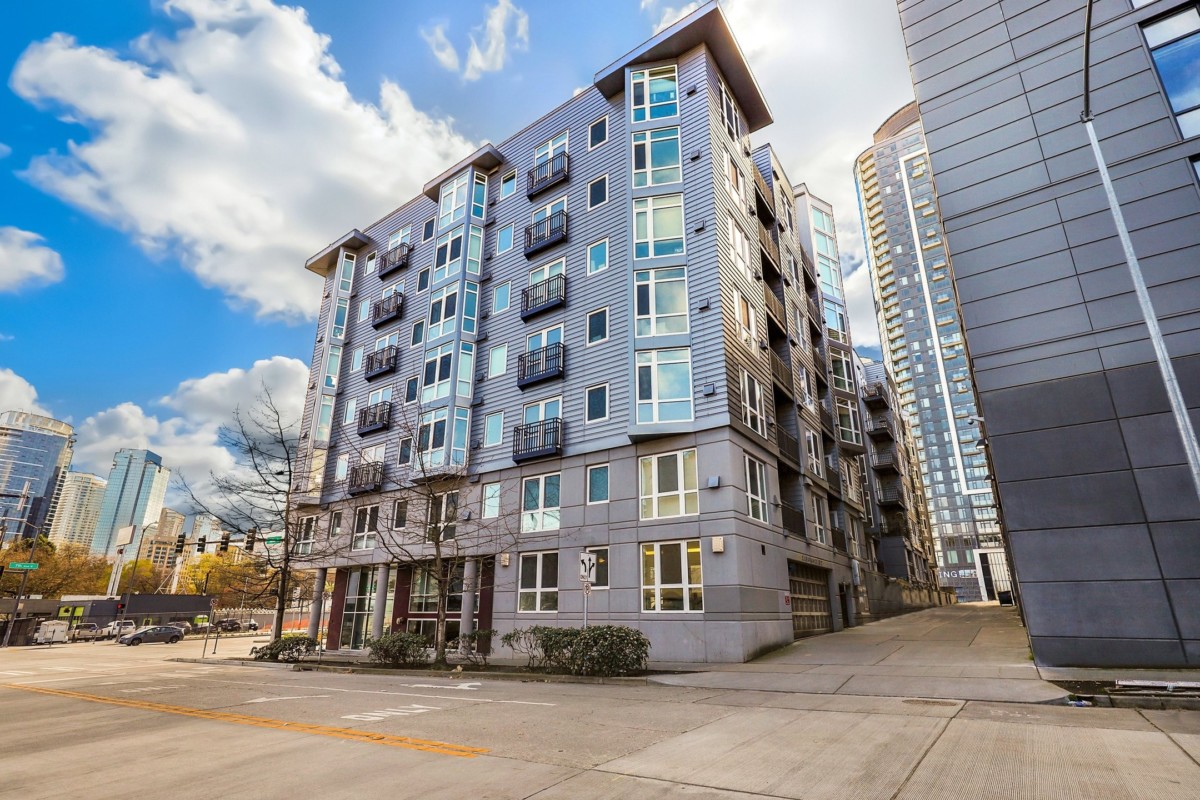
Lots of people are drawn to the flexibility that renting out deals, the economic ramifications of regular monthly lease prices can greatly impact their budgets. Rent normally stands for a considerable part of a renter's monthly expenses, typically ranging from 25% to 50% of their income. This variability relies on variables such as place, home size, and amenities. In addition, lease payments are called for constantly, making it necessary for tenants to maintain a stable earnings to avoid monetary stress. Unlike home loan payments, which construct equity gradually, lease settlements do not add to asset buildup. Therefore, potential tenants should thoroughly analyze their monetary situations and consider just how regular monthly rent expenses will certainly fit into their general budget before devoting to a rental agreement.
Upkeep Expenses Obligation
While occupants delight in the advantage of not needing to worry about several maintenance jobs, they may still deal with substantial financial effects concerning responsibility for maintenance. Typically, property managers are accountable for major fixings and maintenance, which minimizes some prices for occupants. However, occupants could be responsible for small fixings, such as replacing light bulbs or repairing a leaking faucet. In addition, unanticipated expenditures can arise from concerns like plumbing or electrical failures, which might cause enhanced monetary problem otherwise covered by the lease arrangement. Occupants should likewise consider the potential for rent increases to cover maintenance costs. Consequently, while maintenance duties are mostly moved to property managers, renters should stay conscious of their responsibilities and feasible expenses that can develop during their lease term.
Lasting Monetary Commitment
Financial security typically rests on the choice between renting out and buying an apartment, especially when taking into consideration the long-lasting dedications related to each alternative. Leasing may show up financially adaptable, allowing people to relocate quickly and stay clear of significant deposits. Nevertheless, it can cause continuous month-to-month expenses without developing equity. Occupants undergo annual rental fee boosts, which can stress budgets in time - apartments in glen carbon il. Additionally, the lack of ownership implies that rental repayments do not add to long-lasting wide range accumulation. On the other hand, buying an apartment commonly entails a substantial upfront investment yet provides the potential for home value gratitude. Ultimately, the option in between renting and purchasing needs cautious assessment of one's financial goals and lasting security
Stability vs. Flexibility: Which Is Right for You?
When considering apartment living, individuals frequently weigh the advantages of stability against the demand for versatility. Long-lasting commitments, such as acquiring a residential or commercial property, can offer protection yet may restrict wheelchair and adaptability. Conversely, leasing enables better flexibility to relocate, accommodating those whose scenarios may change regularly.
Lasting Dedication
Choosing between acquiring and leasing an apartment commonly pivots on the person's need for stability versus their demand for flexibility. A lasting commitment to getting normally indicates an intent to settle in one place, fostering a feeling of permanence. Homeownership usually includes economic benefits, such as equity building and possible gratitude in residential or commercial property worth, adding to lasting safety. Conversely, renting enables higher more info adaptability, making it possible for individuals to change their living situation based on life scenarios or choices. Renters may like this alternative throughout changing periods, such as task modifications or individual development. Ultimately, the choice in between a lasting commitment to ownership or the adaptability of renting shows individual priorities and future goals, greatly impacting one's lifestyle and economic planning.
Wheelchair and Flexibility
The decision to purchase or rent an apartment considerably influences an individual's wheelchair and flexibility in life. Homeownership normally uses stability yet can restrict versatility due to the lasting monetary commitment and effort required to sell a residential property. On the other hand, renting permits for higher flexibility, making it possible for people to move quickly for job possibilities or lifestyle adjustments without the problem of selling a home. This flexibility can be particularly beneficial for those in changing phases of life, such as pupils or young professionals. While renting out can cause a lack of permanence, it provides the liberty to explore various communities and cities. Inevitably, the option in between buying and renting out rest on individual priorities-- security versus the need for adaptability in an ever-changing world.
Maintenance Duties: Homeownership vs. Renting
While homeownership usually brings the allure of freedom, it also includes a significant problem of upkeep obligations that occupants normally avoid. Home owners should take care of repair services, landscape design, and routine maintenance, which can be both lengthy and costly. This includes addressing plumbing problems, roof repairs, and home appliance malfunctions, every one of which can include stress and anxiety to the property owner's life.In contrast, tenants usually take advantage of a much more hands-off strategy to maintenance. Residential or commercial property managers or proprietors deal with fixings and maintenance tasks, enabling tenants to concentrate on their living experience as opposed to home treatment. This department of duties can be specifically appealing for those that focus on adaptability and simpleness in their living arrangements.Ultimately, the selection in between purchasing and leasing copyrights on one's desire to tackle upkeep duties, with homeownership demanding a commitment that numerous tenants might like to avoid.
Financial Investment Possible: Acquiring an Apartment
Buying an apartment can supply substantial monetary benefits in time. As building worths normally appreciate, property owners may see their financial investment grow considerably, producing a successful return when marketing. Furthermore, owning an apartment offers a hedge against inflation, as home loan settlements stay stable while rental prices may boost. The capacity for rental income includes another layer of economic advantage; proprietors can rent out their units, producing passive earnings that can offset home mortgage expenses and add to general wealth accumulation.Furthermore, tax obligation benefits typically accompany home ownership, consisting of deductions for home loan rate of interest and property tax obligations. These economic rewards boost the beauty of acquiring an apartment as an investment. Potential financiers need to also think about market variations and connected ownership costs, such as maintenance and association charges. A detailed analysis of these elements can assist establish if purchasing an apartment lines up with an individual's economic objectives and run the risk of resistance.
Way Of Living Factors To Consider: Amenities and Location
Choosing the best apartment or condo entails mindful consideration of way of life variables, specifically facilities and place. Several individuals prioritize services that enhance their living experience, such as gym, pools, or public spaces. These facilities can especially influence everyday regimens and social communications, making home life much more enjoyable.Location is just as vital; distance to work, colleges, purchasing, and mass transit impacts benefit and general lifestyle. Urban occupants might prefer homes in dynamic communities, while those seeking serenity might prefer suv setups. Furthermore, security and neighborhood vibe play essential duties in figuring out an ideal location.Ultimately, the right combination of amenities and place can create a harmonious living environment that lines up with personal preferences and lifestyle demands. Each person's concerns will vary, making it critical to examine these elements carefully prior to making a decision about acquiring or leasing an apartment.
Long-term vs. Short-term Living Setups
The choice in between long-lasting and temporary living plans significantly impacts one's apartment experience. Long-lasting services normally use stability, enabling tenants to develop roots in a neighborhood. This security typically leads to a much deeper understanding of neighborhood facilities, social links, and individual comfort. Furthermore, lasting leases may supply reduced monthly prices contrasted to short-term alternatives, which are typically more expensive because of flexibility.Conversely, temporary arrangements interest those looking for wheelchair or momentary housing options. This adaptability can be advantageous for people discovering new cities, traveling for work, or researching. Temporary services generally do not have the feeling of durability and might include regular relocations.Ultimately, the selection in between lasting and temporary living depends on specific conditions, top priorities, and way of living choices. Cautious factor to consider of these aspects can result in a much more gratifying apartment or condo experience, customized to one's certain requirements.
Frequently Asked Questions
Just How Do Residential Property Tax Obligations Impact Apartment Possession Prices?
Real estate tax substantially affect the overall costs of house ownership. Higher taxes can enhance monthly expenditures, affecting budgeting. Additionally, rising and fall tax obligation rates may affect residential or commercial property values, making possession less monetarily helpful in certain markets.
What Are Typical Lease Lengths for Rental Houses?
Common lease lengths for rental apartments usually range from six months to one year. Some property managers may offer month-to-month choices, while longer leases of two years or even more can also be bargained depending upon tenant demands.
Can I Negotiate My Lease Price With Landlords?
Working out lease costs with property managers is frequently feasible, depending on market problems and the landlord's versatility. Possible renters need to prepare to present their instance, highlighting factors for negotiation to boost their opportunities of success.
What Happens if I Need to Break a Rental Lease?
When a lessee requires to break a rental lease, they may sustain penalties, surrender their down payment, or face legal effects. It's crucial to assess the lease terms and connect with the property owner immediately.
Exist Hidden Fees When Purchasing an Apartment?
When buying an apartment, possible surprise fees may include closing prices, maintenance costs, real estate tax, and property owners organization fees. Buyers ought to completely examine all economic facets to stay clear of unanticipated expenditures post-purchase.